Scheduled visit to Universidad de Chile

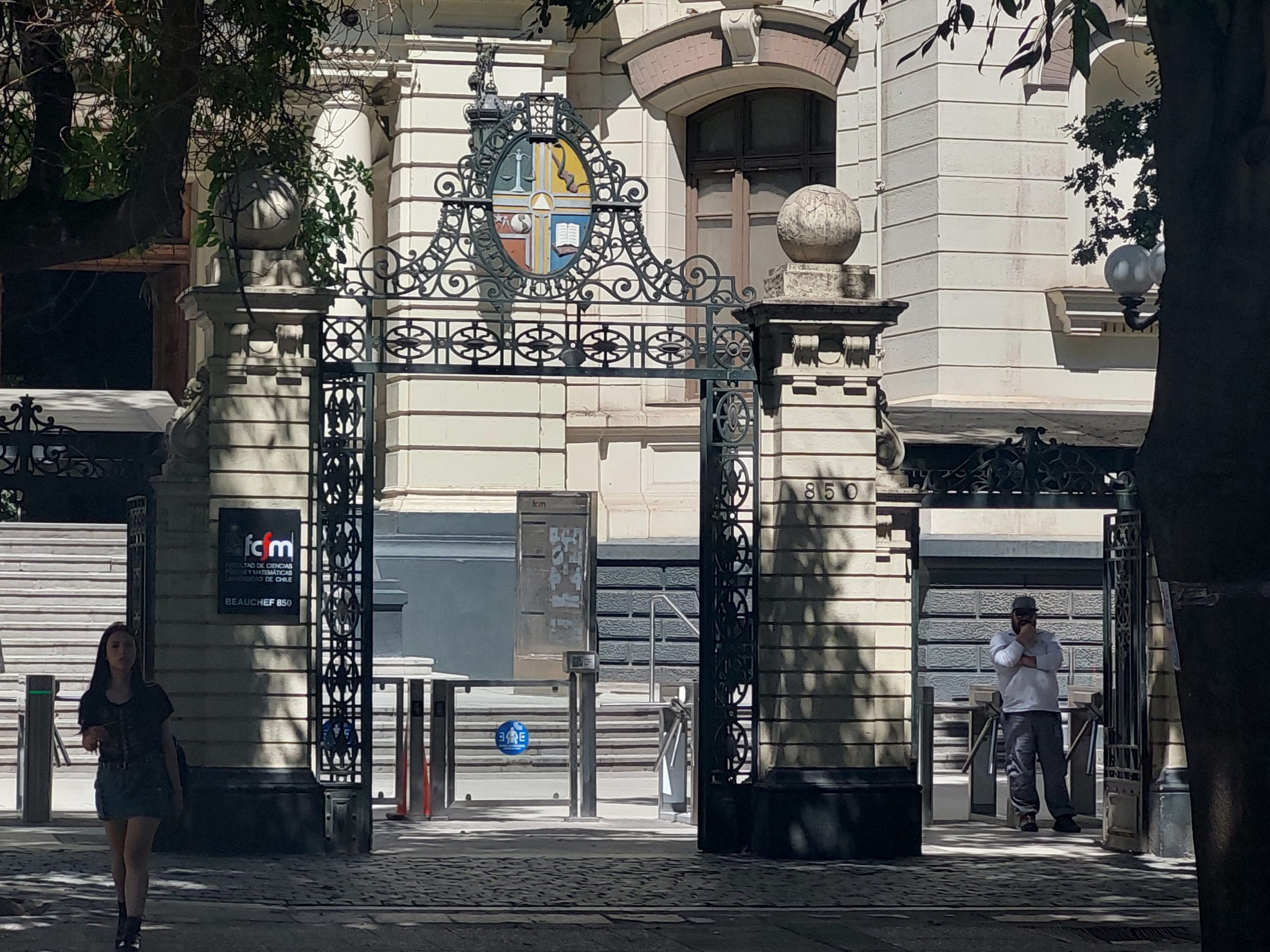
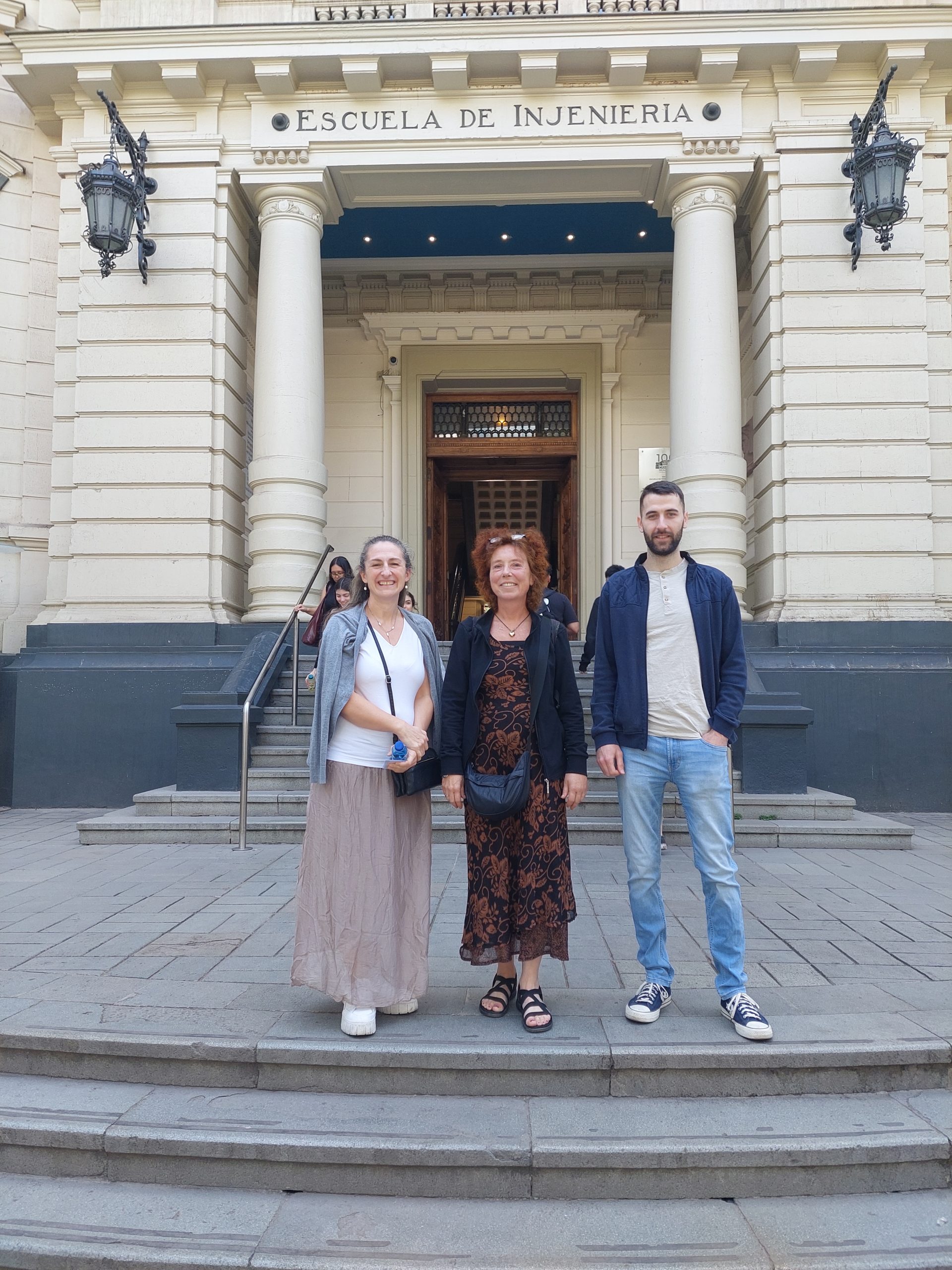
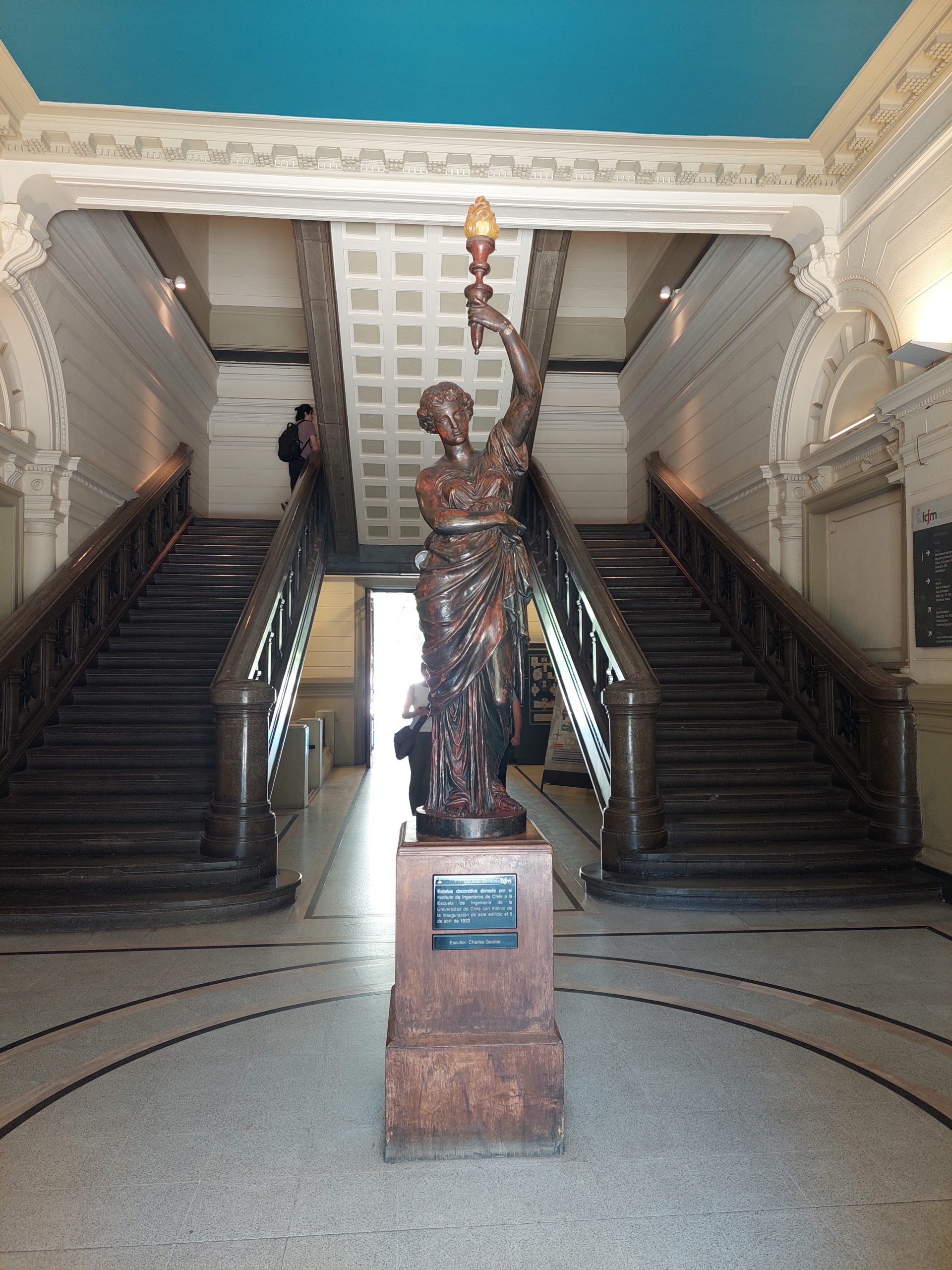
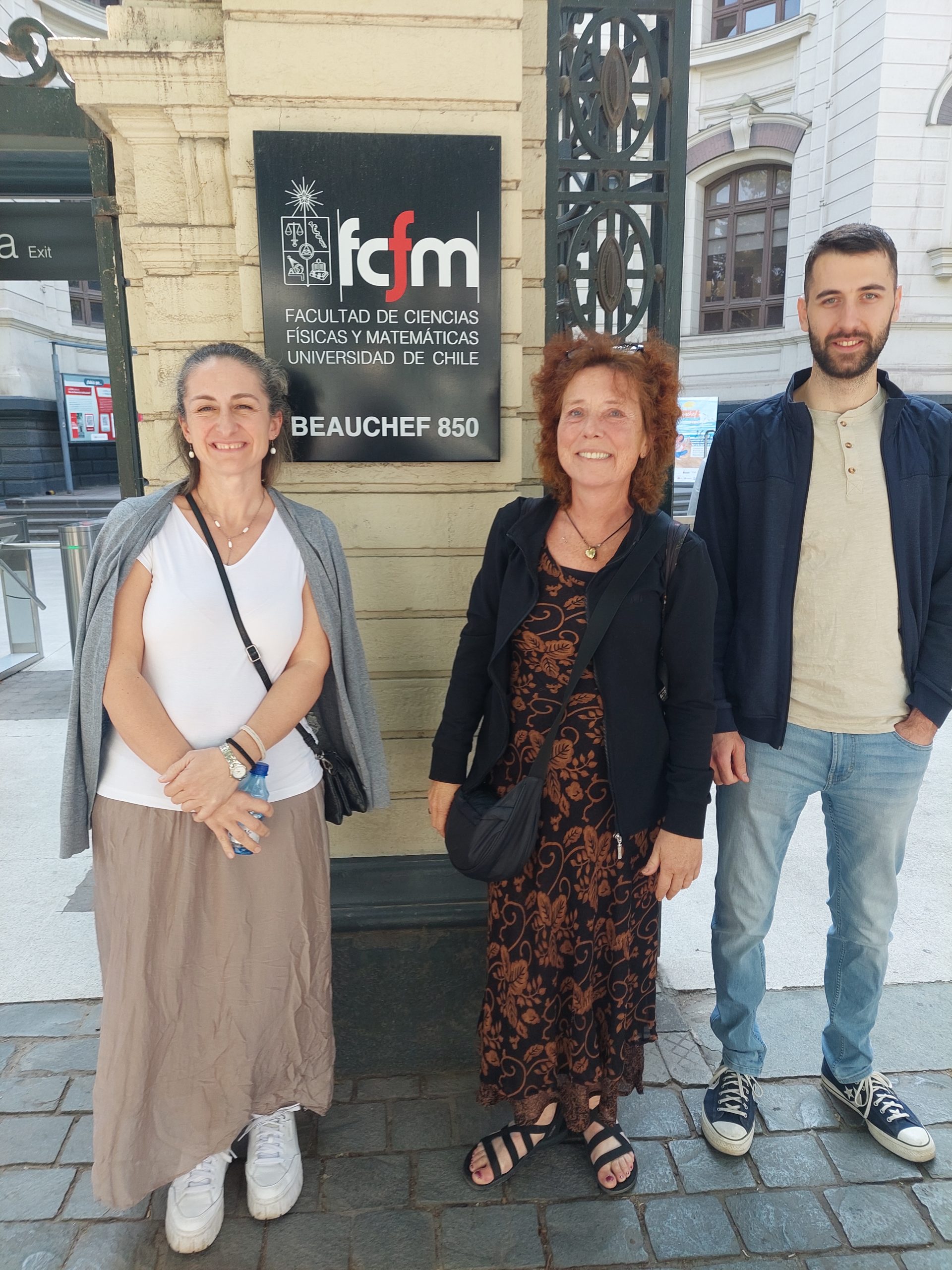
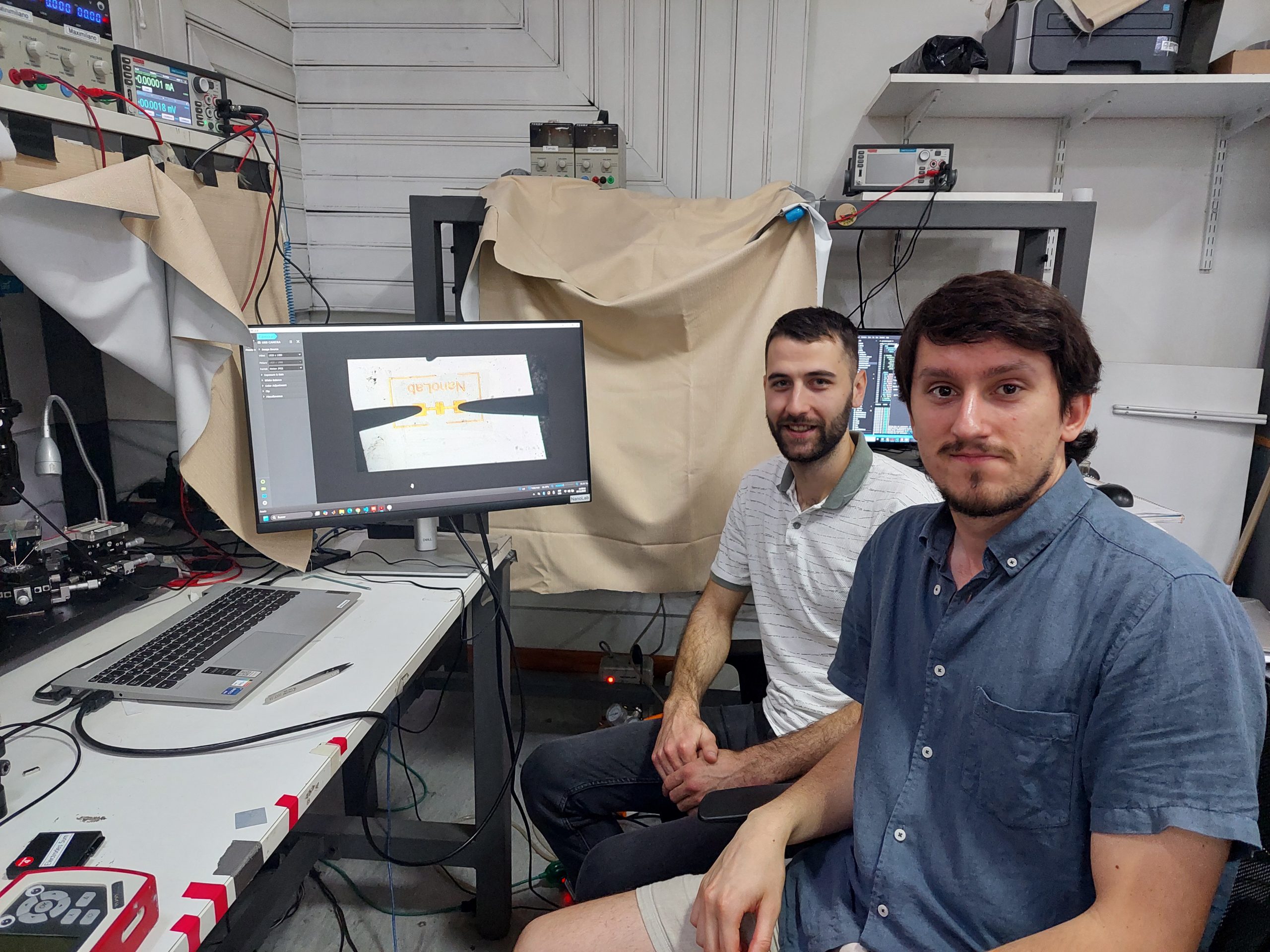
It was a great pleasure to visit the Department of Physics, Facultad de Ciencias Físicas y Matemáticas, at the Universidad de Chile in Santiago, Chile. The visit provided an excellent scientific environment for fruitful discussions, collaboration, and the exchange of knowledge in the field of advanced materials research. The visit was carried out by the Serbian team members Jovan Blagojević and Ivana Milošević to the diaspora team, led by Diana Dulić. The visit strengthened scientific collaboration and contributed to effective knowledge exchange between the teams.

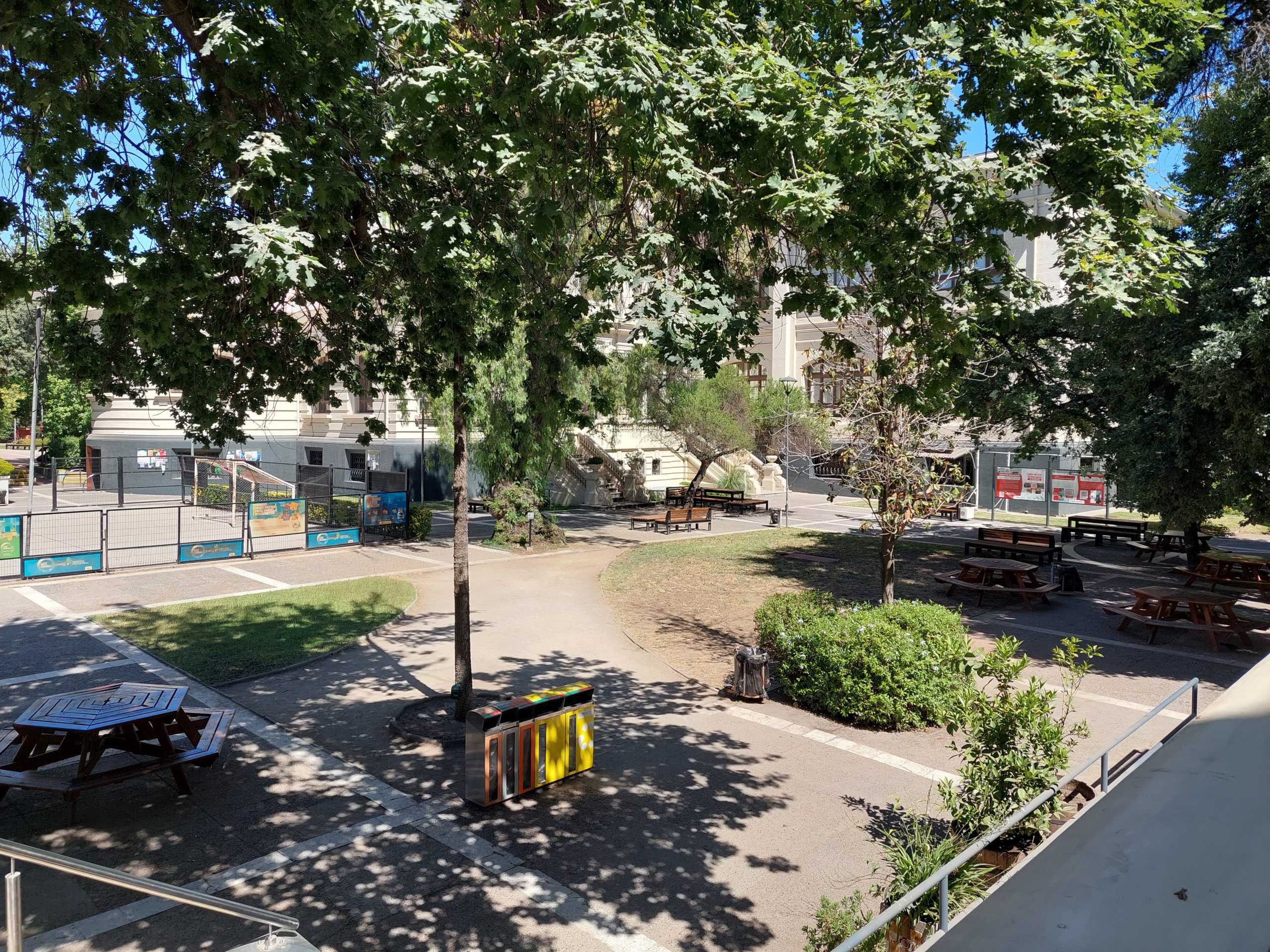
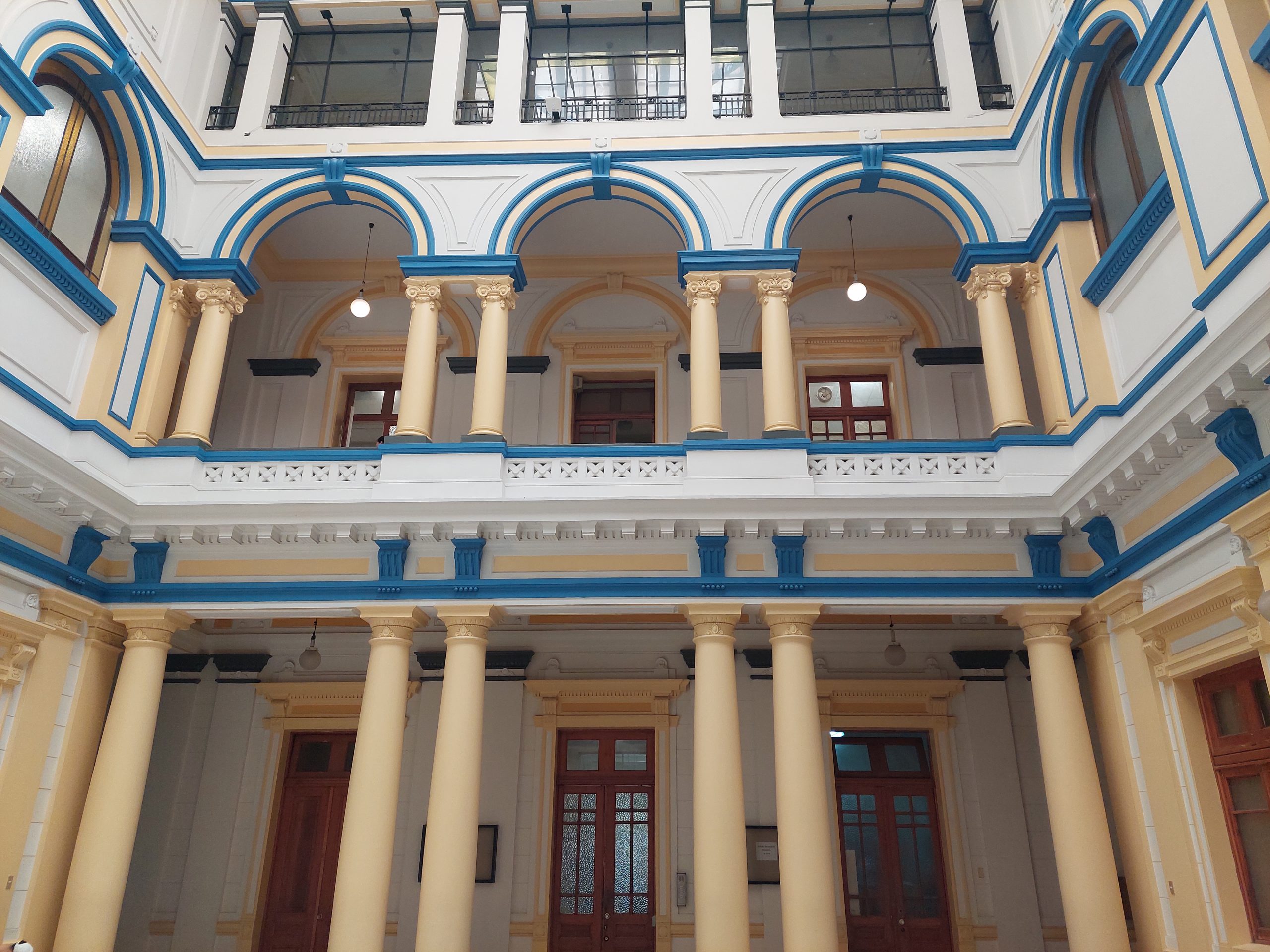
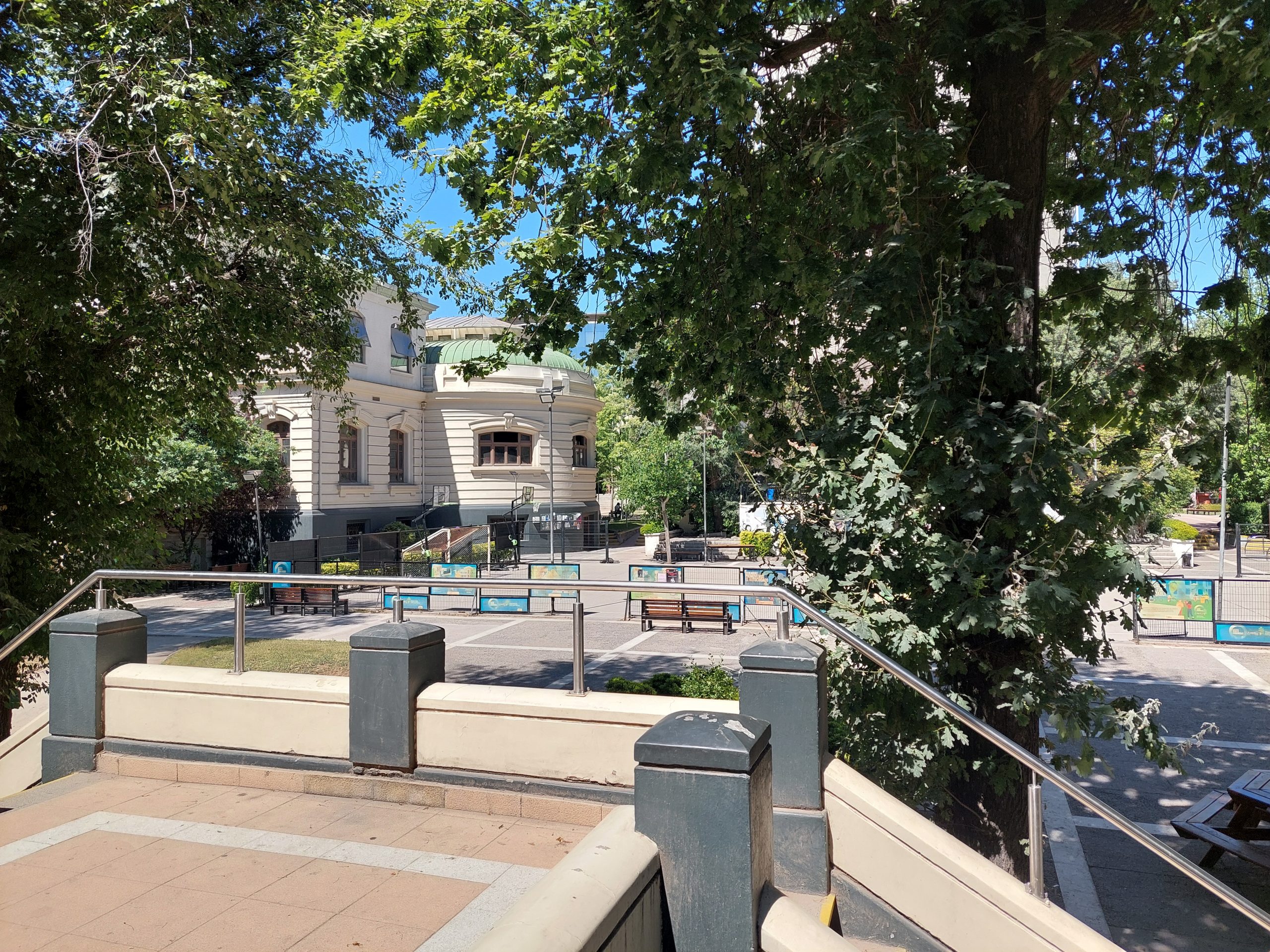
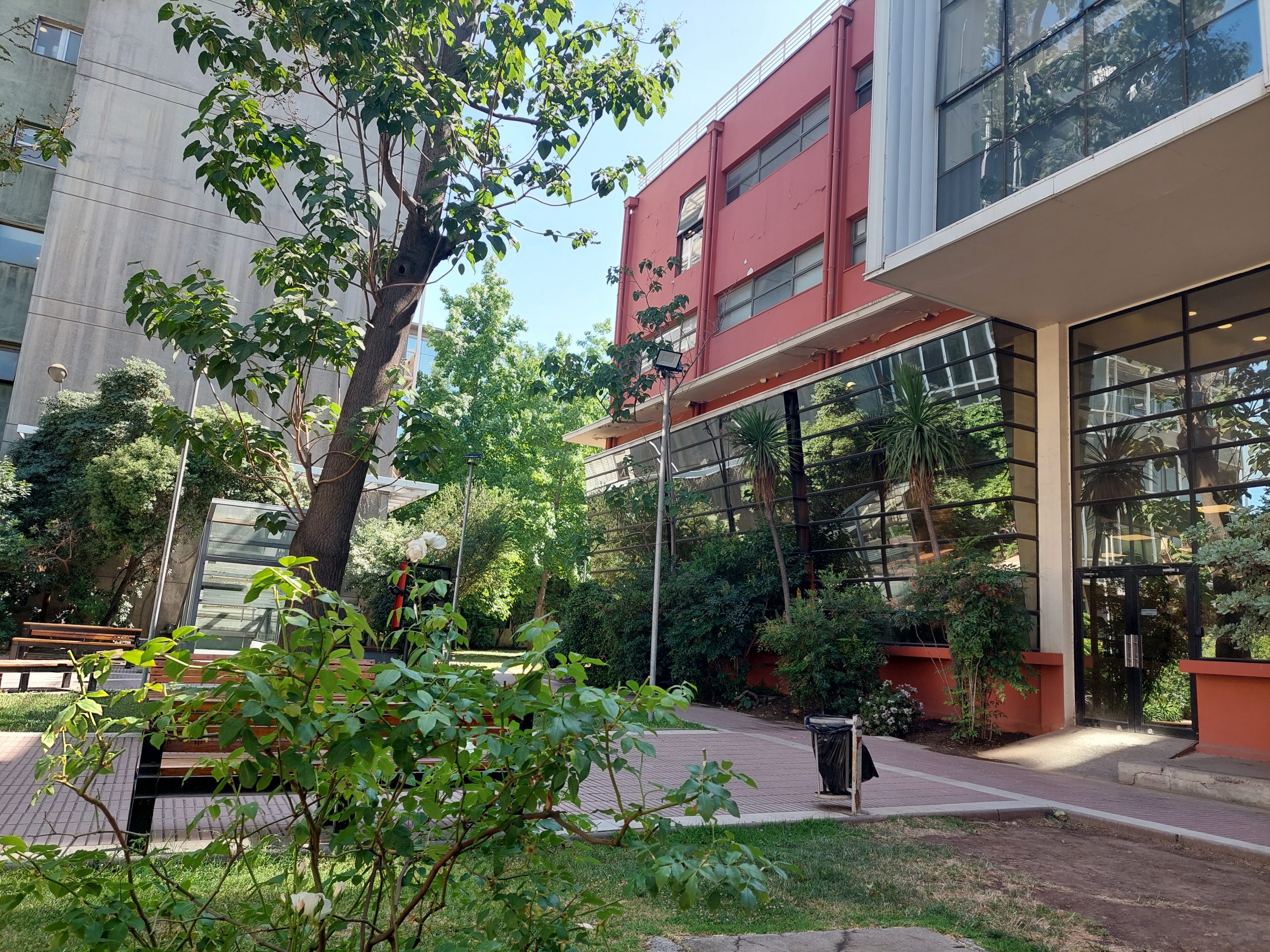
The campus of the Universidad de Chile in Santiago is characterized by modern infrastructure and a strong research-oriented environment that fosters interdisciplinary collaboration. The faculty hosts well-equipped laboratories and research centers, providing excellent conditions for high-quality scientific work.

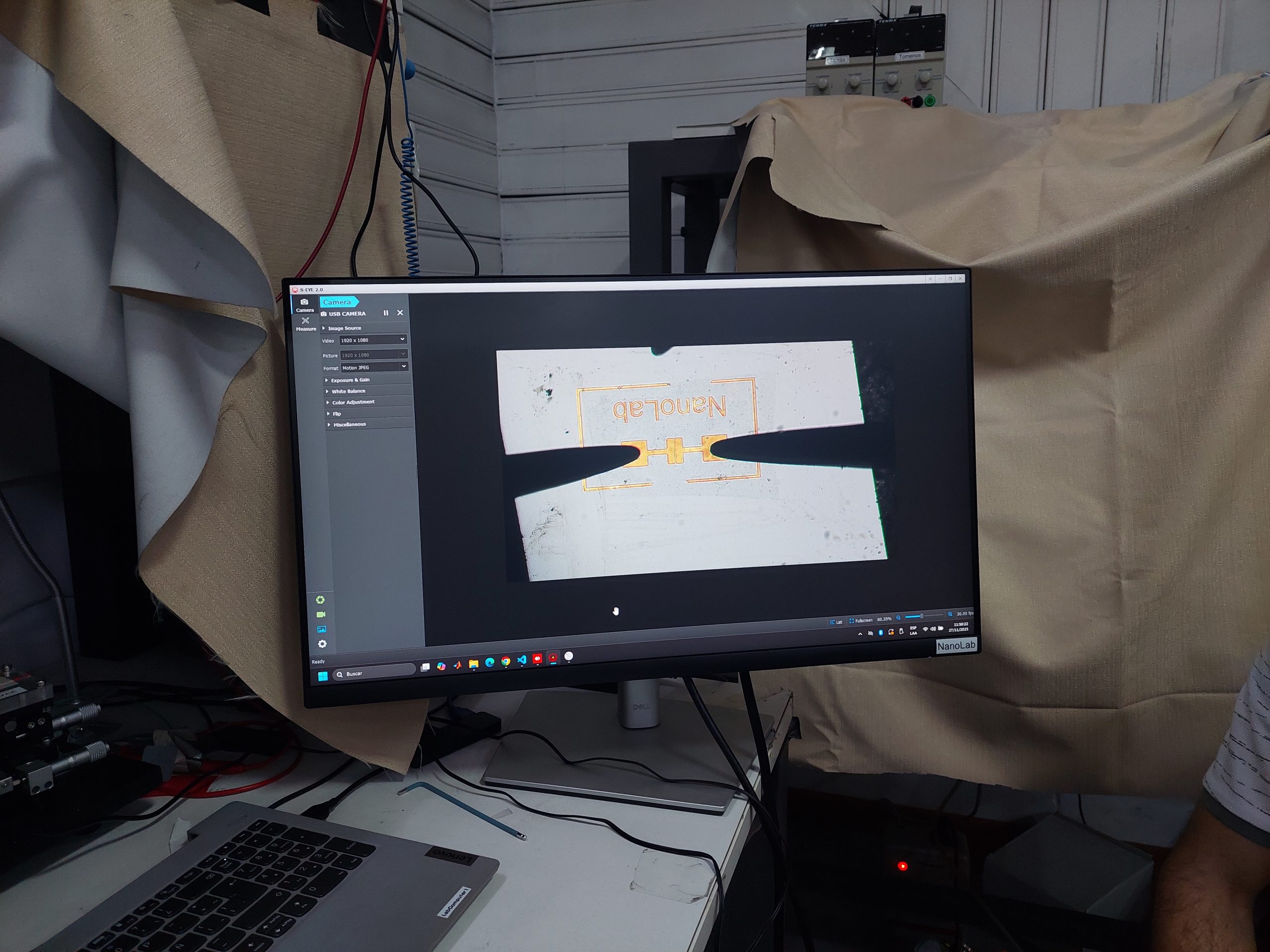
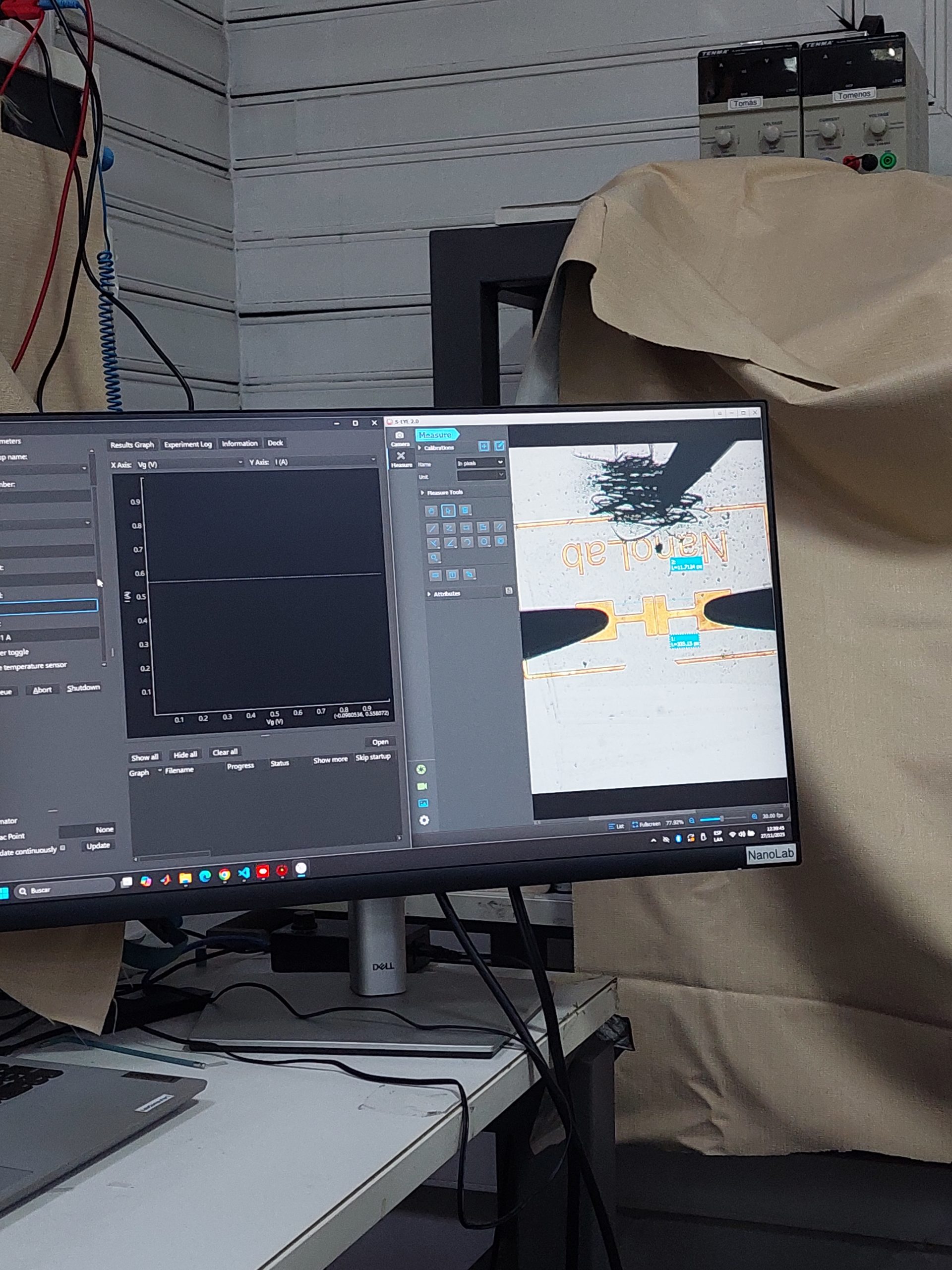
During two-weeks stay of IPB team members at UChile, through a transfer of knowledge, Dr Ivana Milošević and Jovan Blagojević were trained on the system for electrical measurements and photodetection, the associated software (home-build Python-based acquisition program), and the contact fabrication system. Electrical responsivity measurements were performed on undoped WSe2 thin films obtained by the liquid-phase exfoliation (LPE) method at different wavelengths, as well as on films doped with nickel using a single-step method developed at the Institute of Physics in Belgrade.

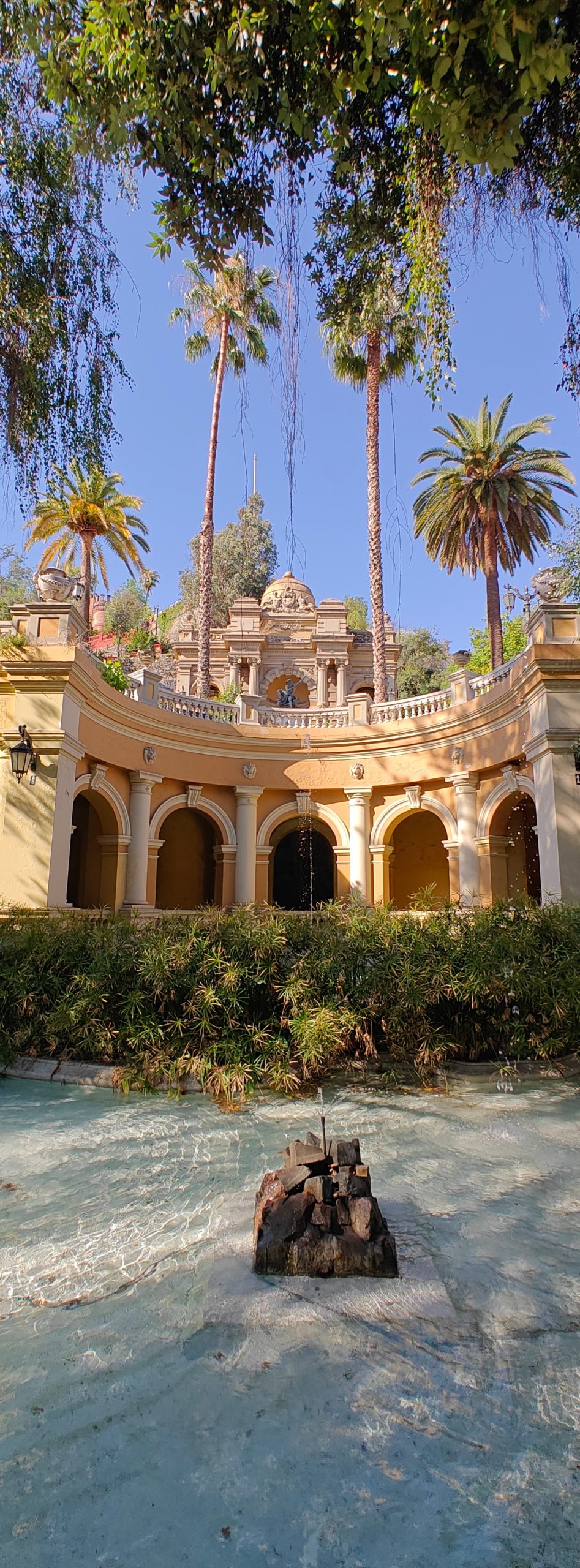
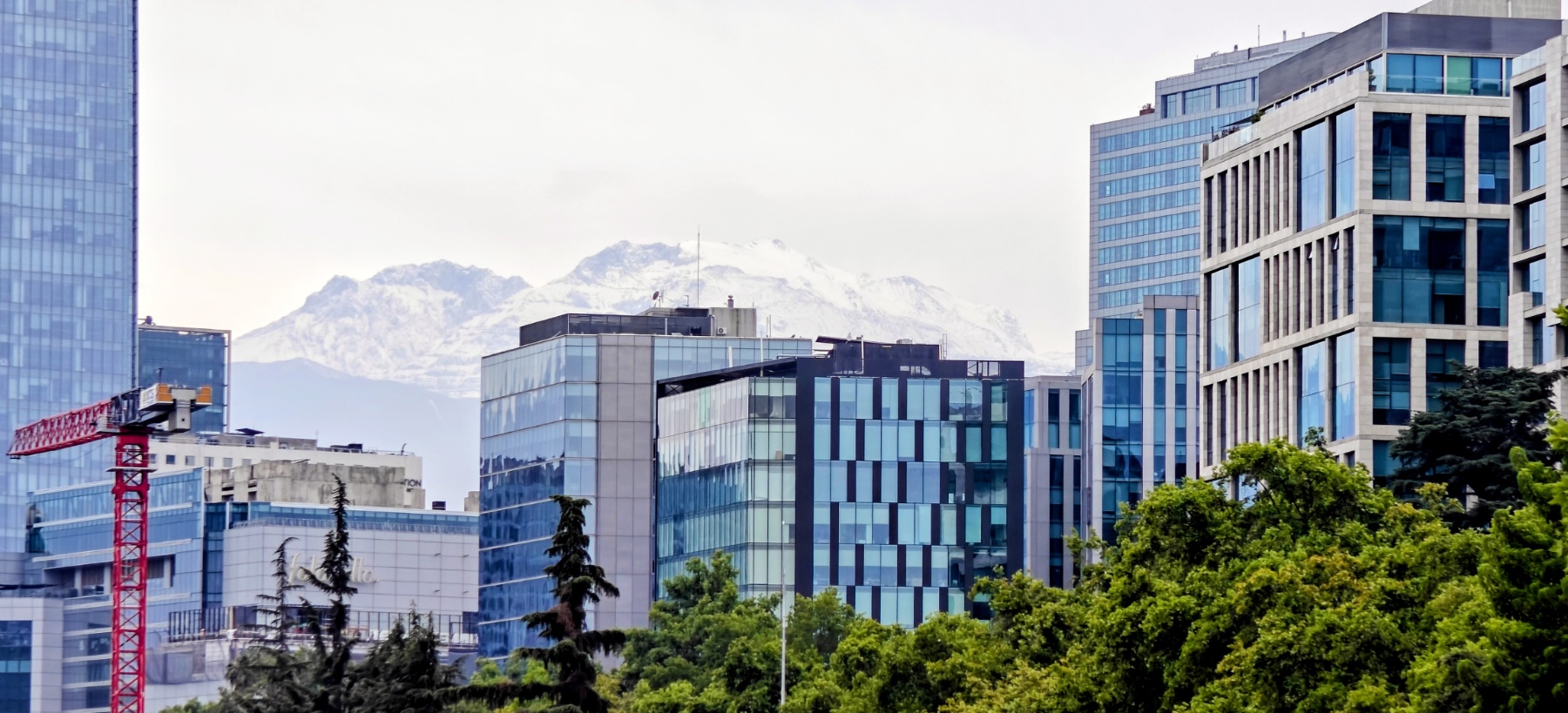
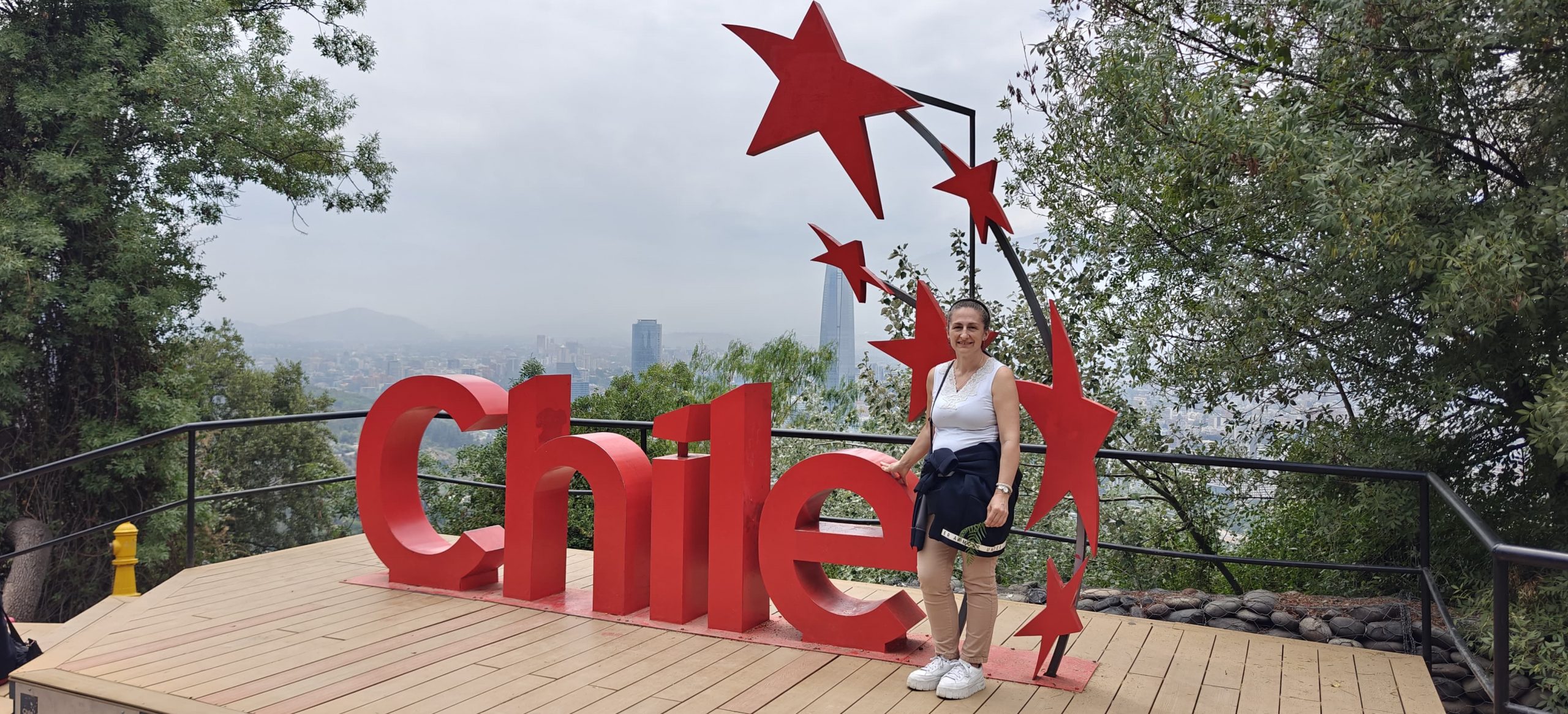
In addition to the excellent conditions for high-quality scientific work, Santiago is a vibrant and welcoming city that offers a high quality of life. Surrounded by the Andes Mountains, the city provides exceptional natural scenery and easy access to outdoor activities, while its parks and green spaces contribute to a pleasant urban environment.

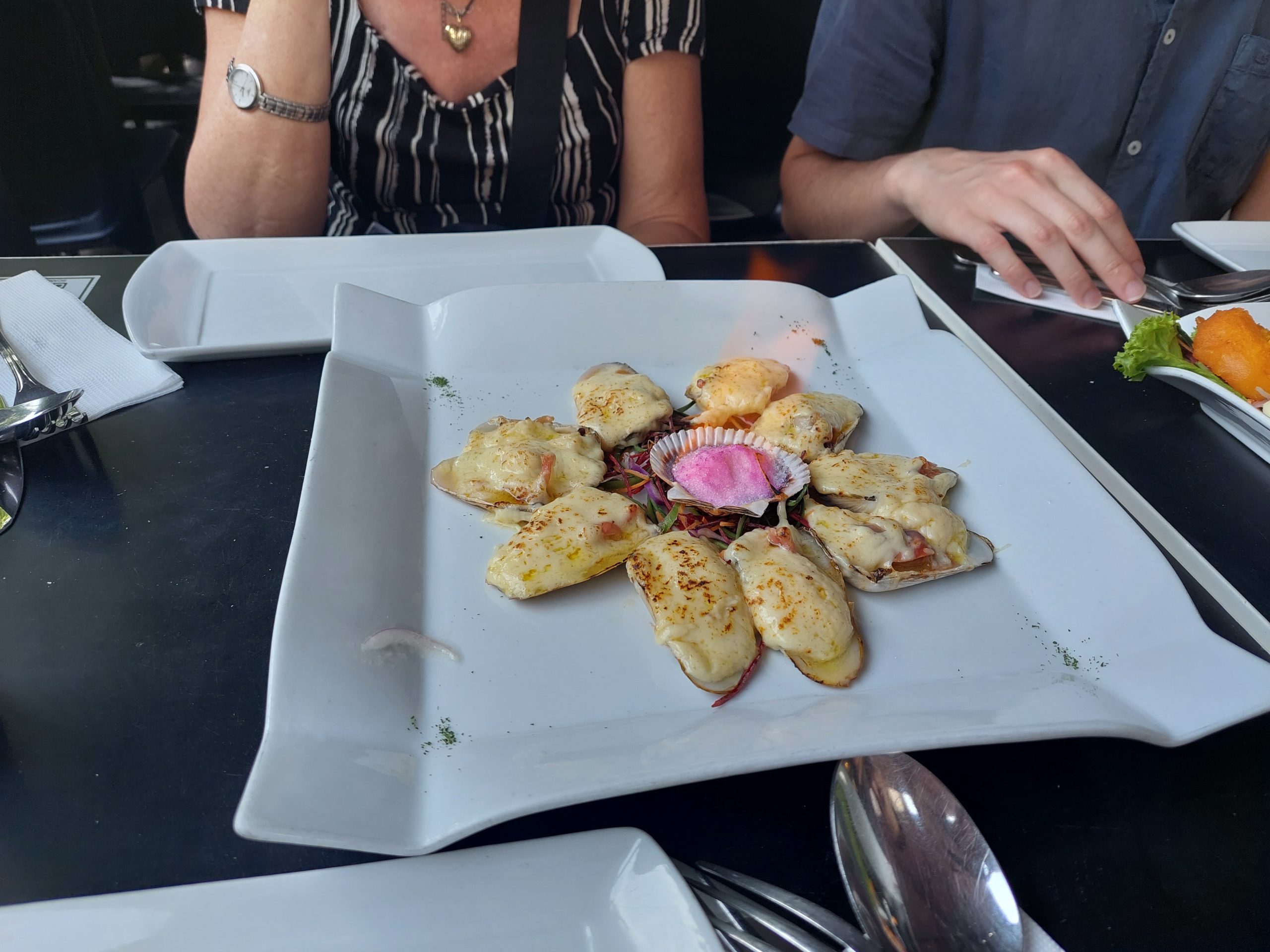
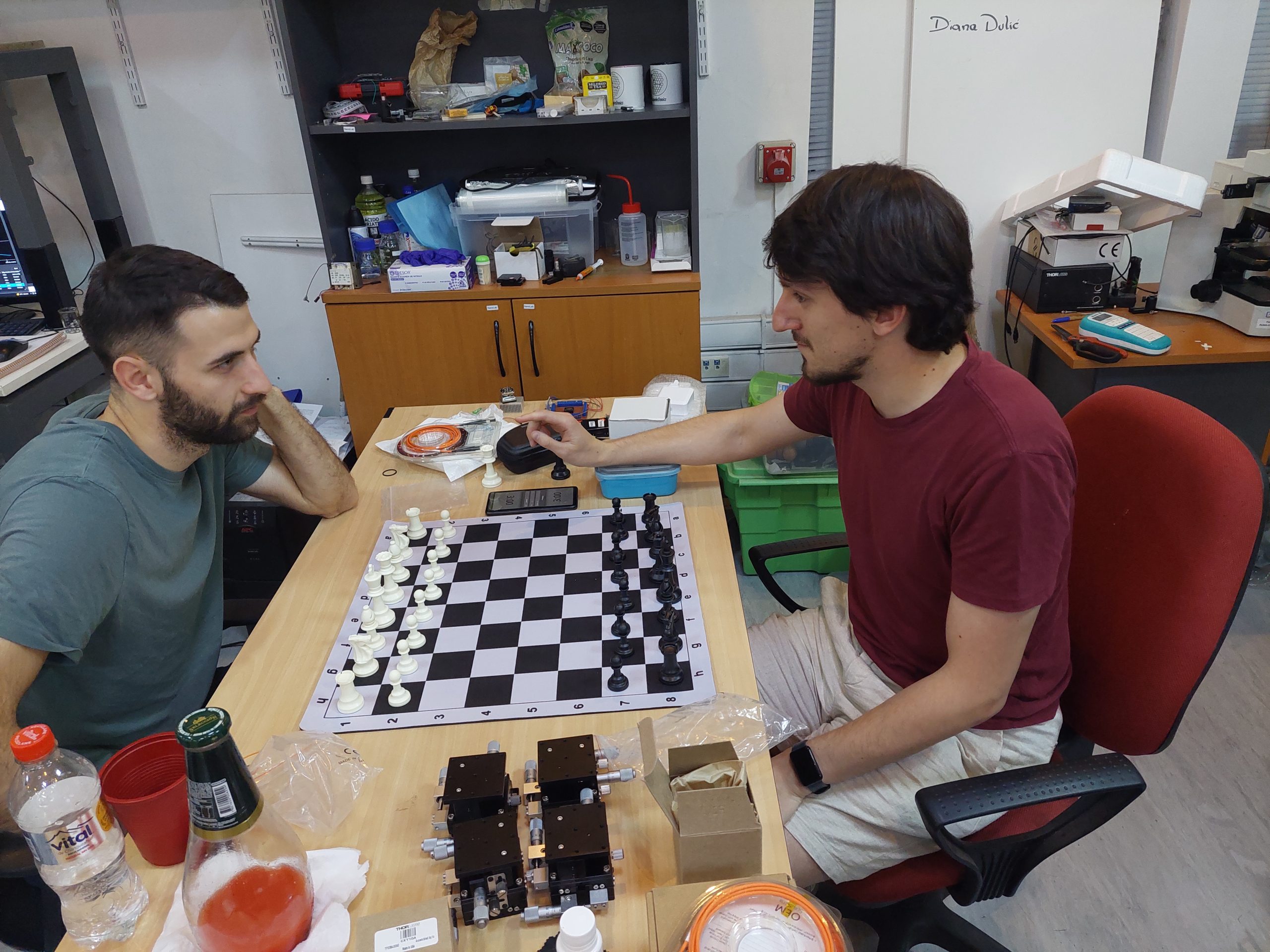
In between the experimental sessions, there was also time for enjoyment, which provided both relaxation and valuable mental exercise.

Lectures: Introduction to Nanoelectronics

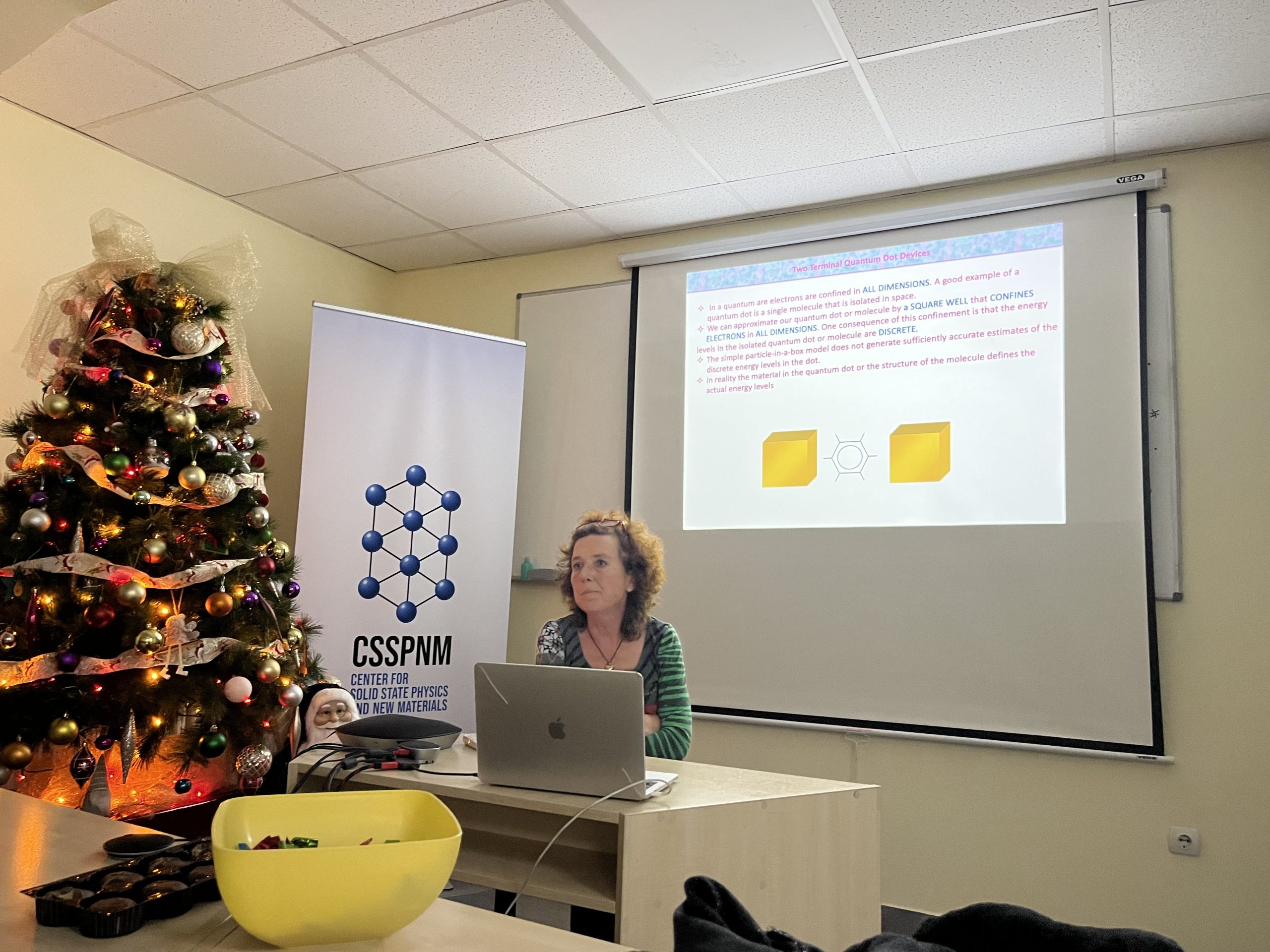
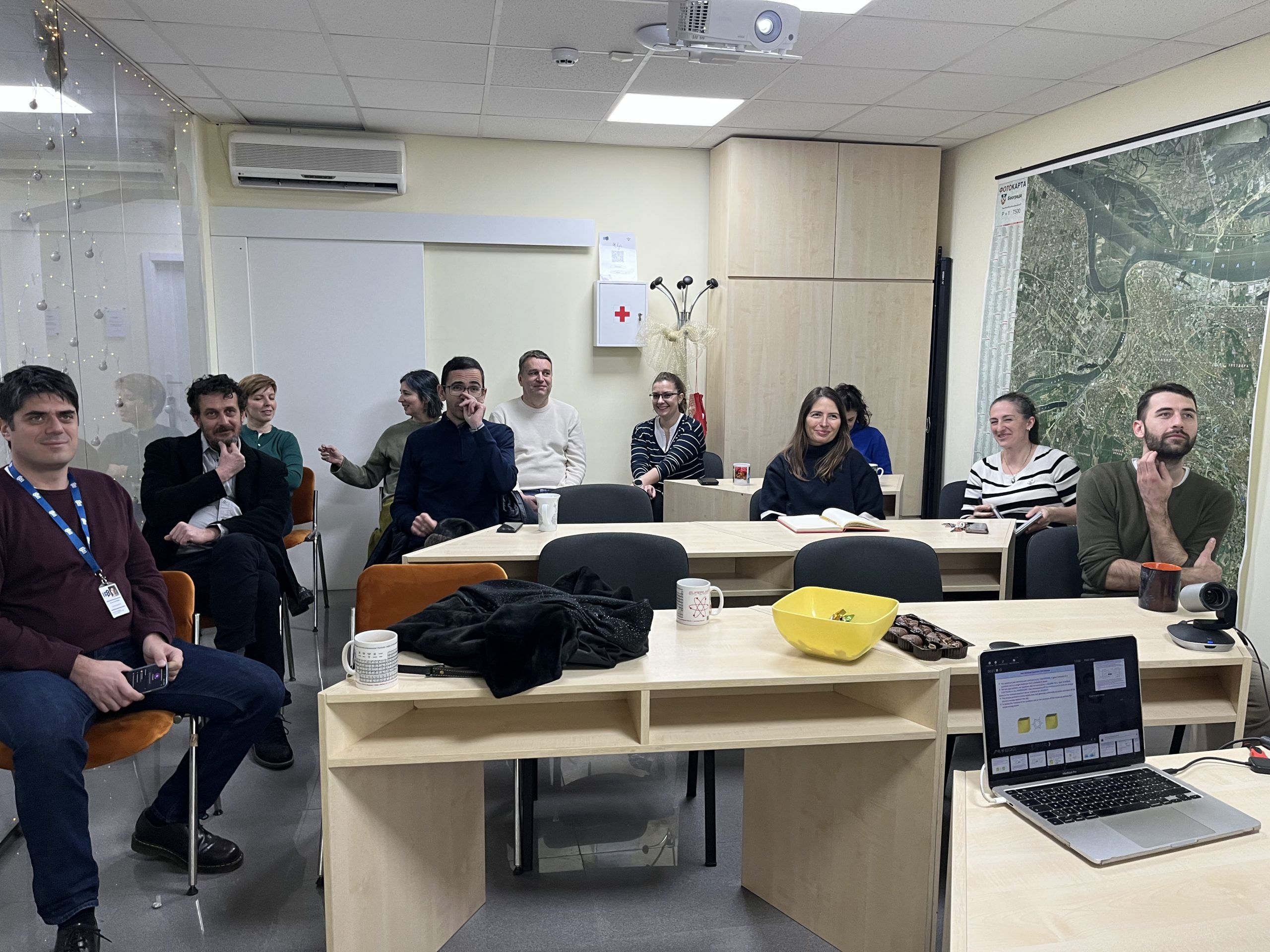
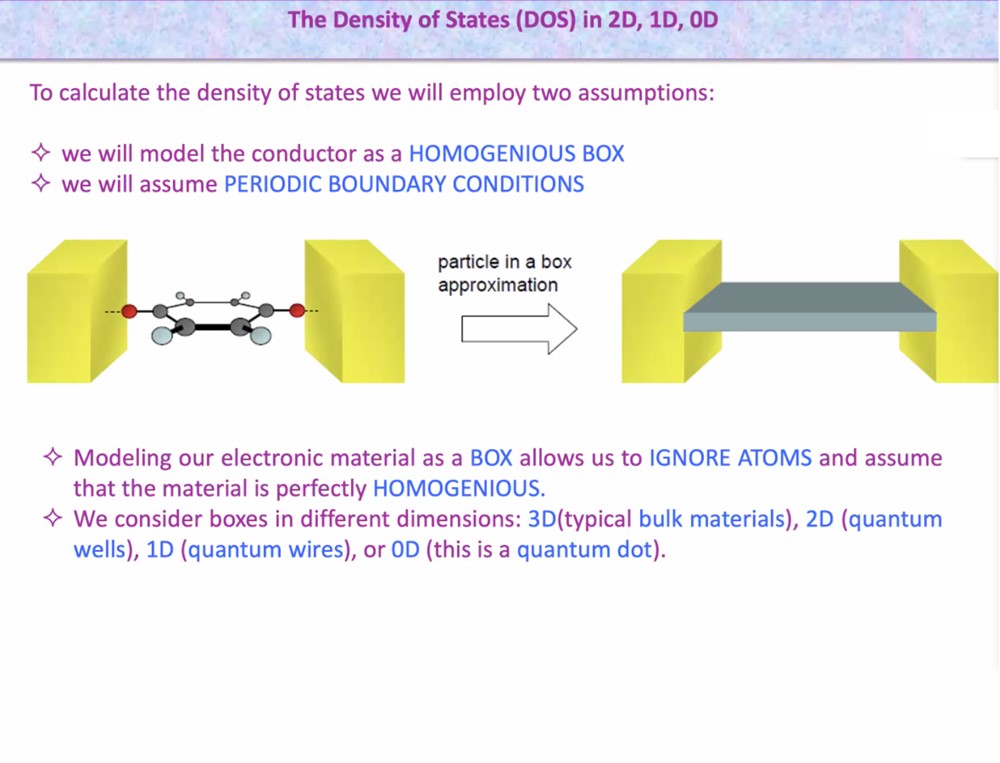
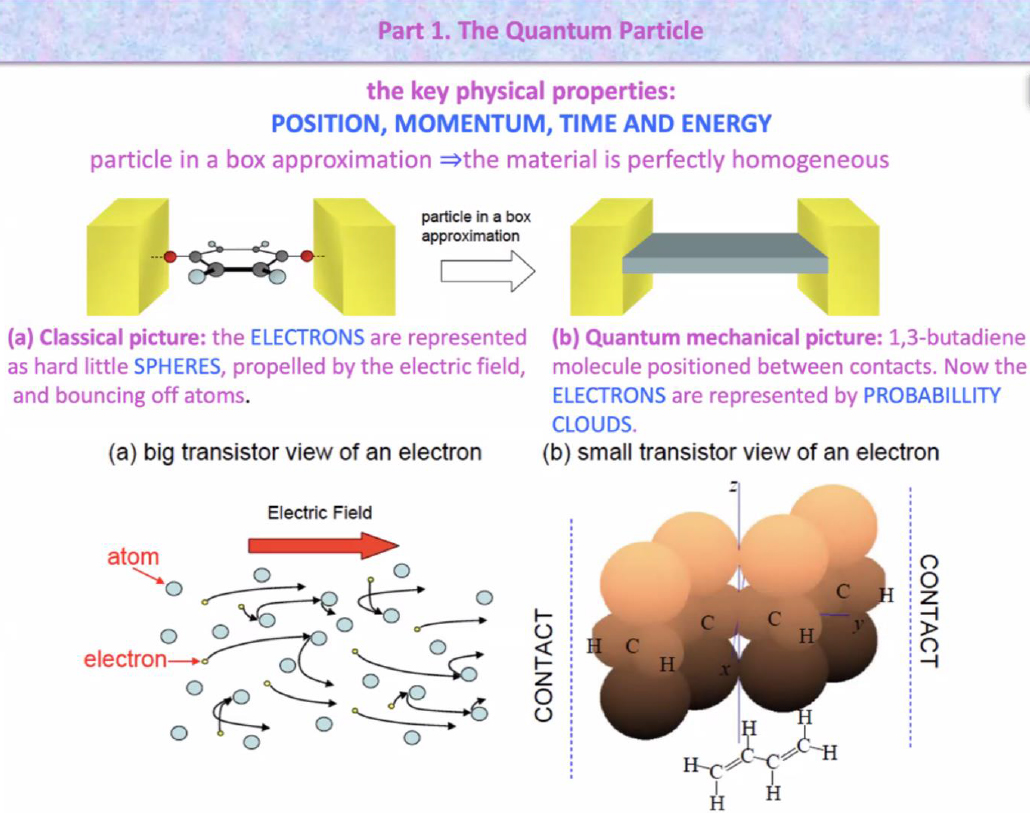
The fourth lecture in the series, The Quantum Particle in a Box – Part 2,” was delivered on December 08, 2025, by Diana Dulić as part of the webinar mini-course Lectures in Nanoelectronics. In this lecture, we discussed how electron confinement depends on the dimensionality of a structure. To simplify the analysis, the material is modeled as a “particle in a box.” This approach ignores the atomic structure and assumes the material is perfectly homogeneous. Depending on the number of confined dimensions, we distinguish between three-dimensional systems (bulk materials), two-dimensional systems (quantum wells), one-dimensional systems (quantum wires), and zero-dimensional systems (quantum dots).
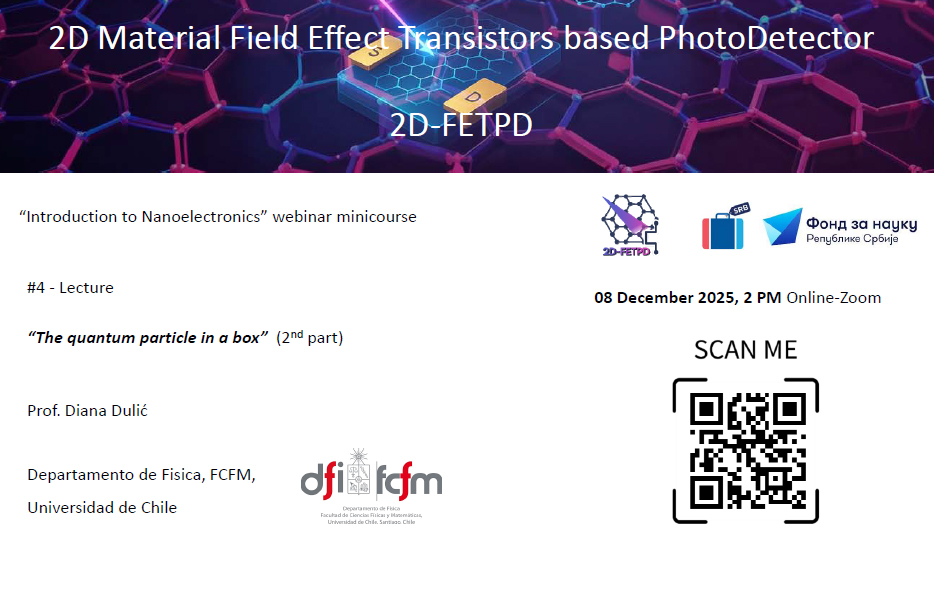
 

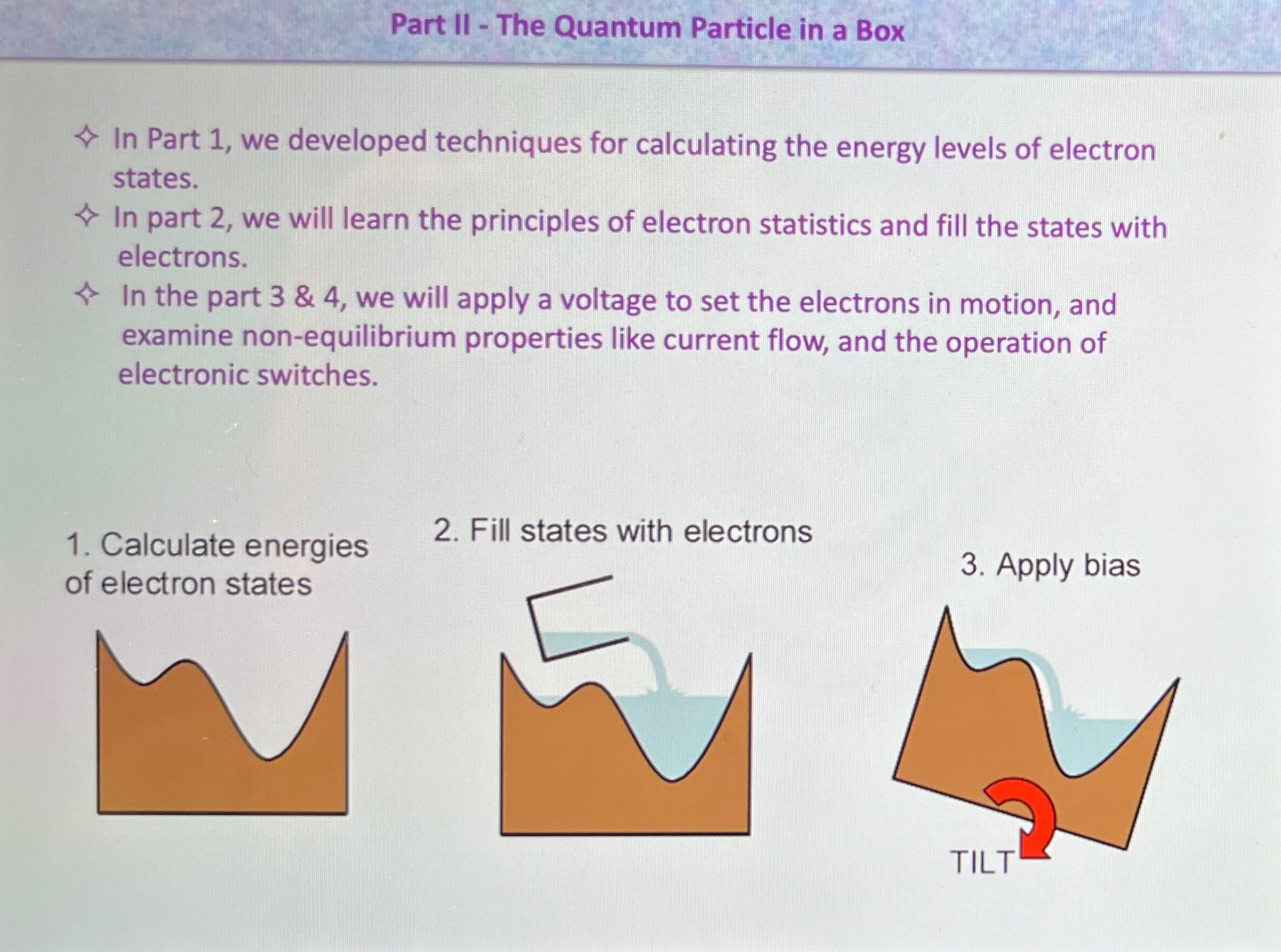
The third lecture in the series, entitled “The Quantum Particle in a Box – Part 1,” was delivered on December 1, 2025, by Diana Dulić as part of the webinar mini-course Lectures in Nanoelectronics. In this lecture, we studied techniques for calculating the energy levels of electron states.
The second lecture in the series, entitled “The Quantum Particle – Part 2,” was conducted on November 24, 2025, by Diana Dulić as part of the webinar mini-course Lectures in Nanoelectronics. It provided a basic introduction to quantum electronics that will support a better understanding of nanoelectronics.
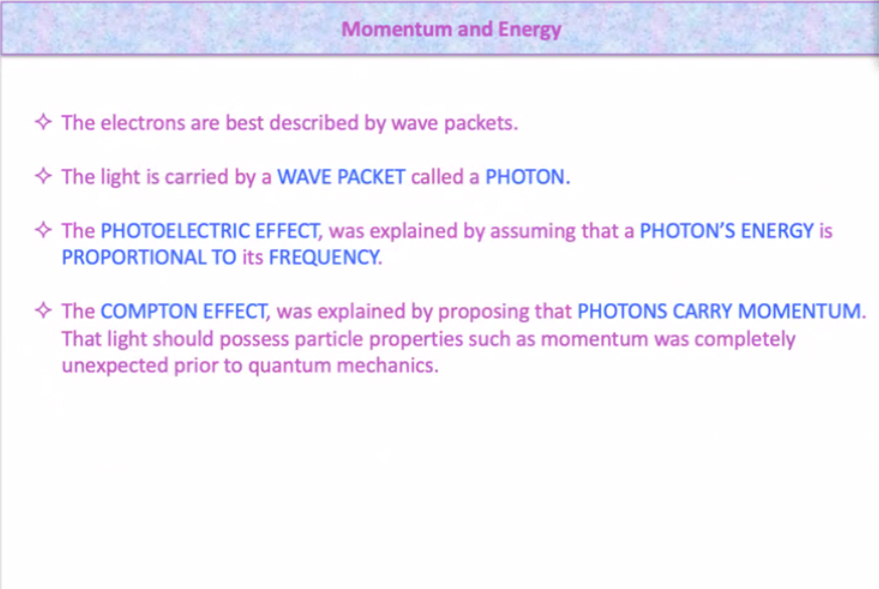
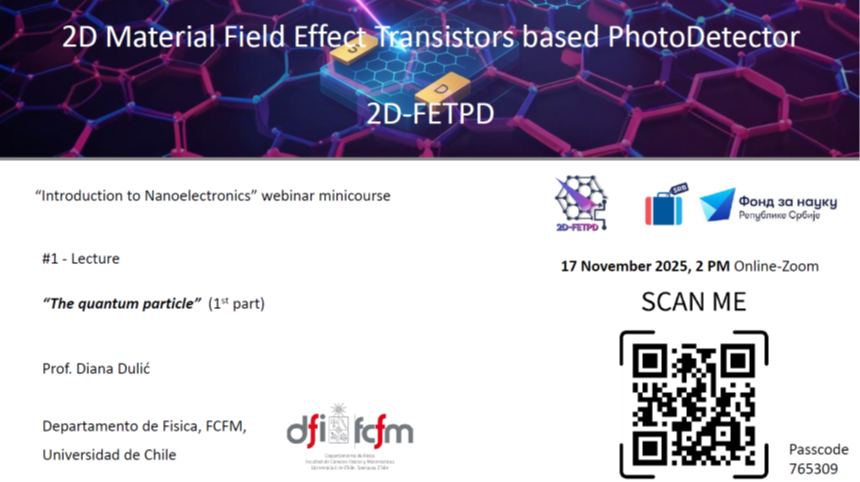
The initial session of the series, entitled “The Quantum Particle – Part 1,” was conducted on November 17, 2025, by Diana Dulić as part of the webinar mini-course Lectures in Nanoelectronics.
Kick-off meeting

Date: 22 July 2025
Participants: Project members
Closed session:
10h00-12h00: Project overview
Open session:
13h00-13h15: 2D-FETPD Presentation (Dr. Konstantinović, PI)
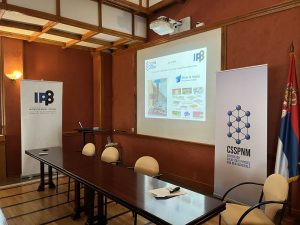
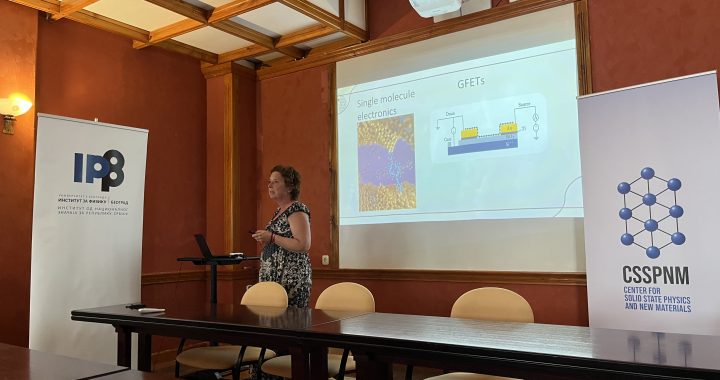
13h15-14h00: “Single molecule electronics” (Prof. Dr Dulić, PID)


We have a pleasure to announce a collaborative project 2D-FETPD with Universidad de Chile, Santiago,
supported by Science Fund of the Republic of Serbia (No. 9029-YF-SAIGE).